 Roof leaks in North Carolina homes most commonly result from damaged or missing shingles, failed flashing around chimneys and vents, clogged gutters, and storm damage from the state’s frequent severe weather. Understanding these common causes helps homeowners identify problems early and prevents minor issues from becoming expensive disasters.
North Carolina’s climate creates unique challenges for residential roofing. The combination of intense summer heat, heavy rainfall, occasional ice and snow, and severe thunderstorms accelerates roof deterioration and creates multiple failure points where water can penetrate your home.
Why Do Shingles Fail and Cause Leaks?
Damaged, missing, or deteriorating shingles represent the leading cause of roof leaks in Greensboro and throughout North Carolina. Shingles serve as your roof’s first line of defense against water, and when they fail, leaks follow quickly.
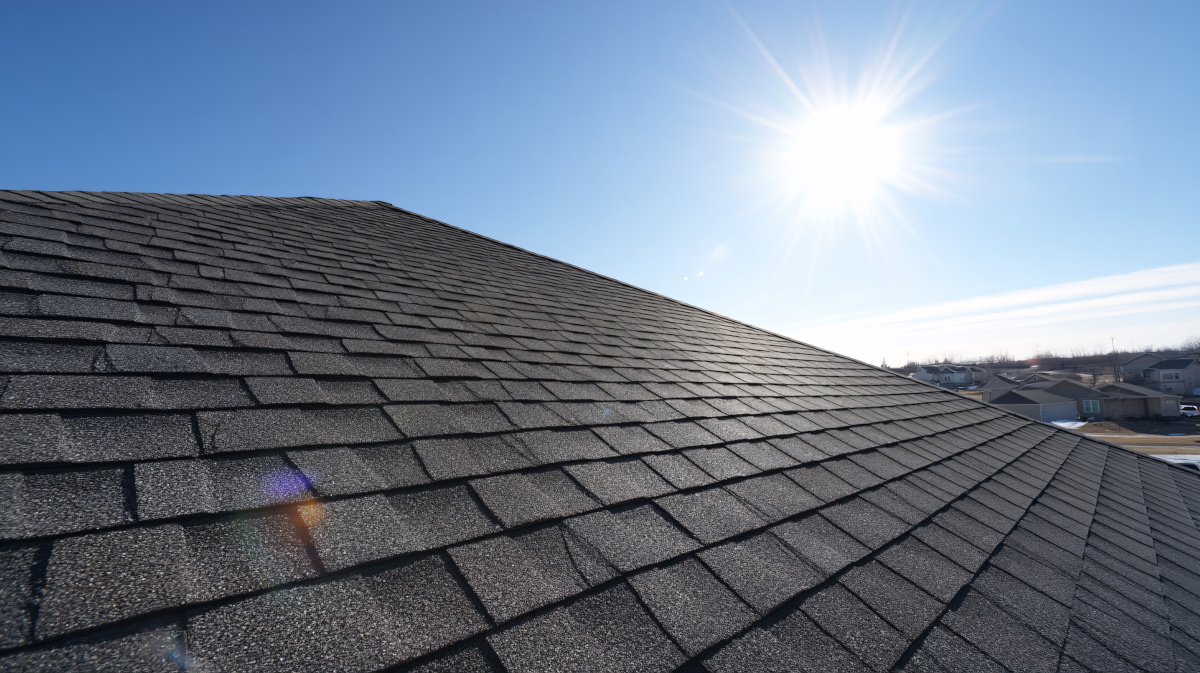
Asphalt shingles, the most common roofing material in the region, have a typical lifespan of 20-30 years under normal conditions. However, North Carolina’s weather often shortens this lifespan considerably. Intense summer heat causes shingles to dry out, crack, and curl at the edges. Once shingles begin curling, wind can get underneath them during storms, tearing them loose or ripping them off entirely.
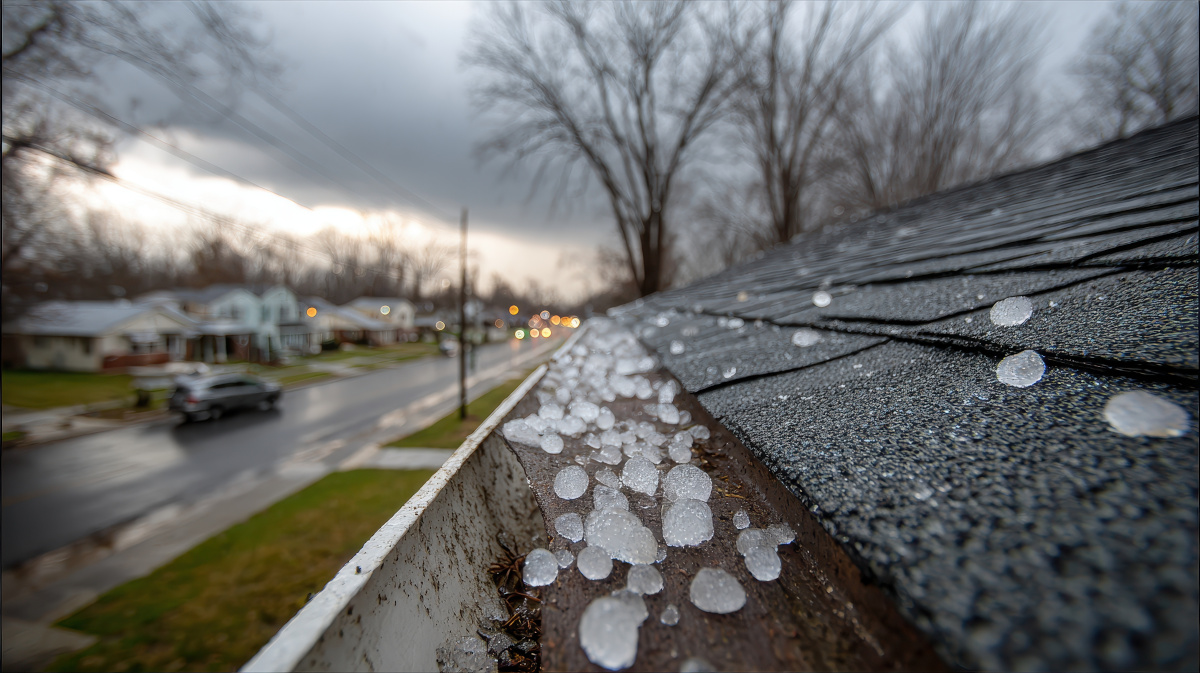
Hail damage is particularly problematic in the Piedmont region. Even moderate hail can knock granules off shingles, creating weak spots where UV rays accelerate deterioration. Severe hail dents or cracks shingles outright, allowing water to penetrate immediately. Many homeowners don’t realize they have hail damage until leaks develop months later.
Common shingle problems that lead to leaks include:
- Missing shingles after windstorms exposing underlayment to water
- Cracked or split shingles from thermal expansion and contraction
- Curled shingle edges allowing wind-driven rain underneath
- Lost granules creating thin spots vulnerable to UV damage
- Improperly installed shingles that never sealed correctly
- Age-related brittleness causing shingles to break during normal weather
Wind damage doesn’t always remove entire shingles. Sometimes it just lifts edges or breaks the seal between shingle layers. These partial failures let water work its way underneath during heavy rain, especially when wind drives rain horizontally against your roof.
How Does Flashing Failure Lead to Roof Leaks?
Flashing failures cause some of the most persistent and difficult-to-locate roof leaks. Flashing consists of thin metal strips installed at roof intersections, valleys, and penetrations to direct water away from vulnerable areas.
Chimneys represent one of the most common flashing failure points. The intersection where a chimney meets the roof creates a natural weakness that requires careful flashing installation. Over time, the caulk sealing flashing to the chimney deteriorates, gaps develop, and water seeps behind the flashing into the roof structure.
Roof valleys, where two roof planes meet, channel large volumes of water. Valley flashing must handle this concentrated flow without developing leaks. When valley flashing deteriorates, develops holes, or pulls away from the roof deck, water can penetrate and cause extensive damage to the roof structure underneath.
Pipe boots and vent flashing also fail regularly. These rubber or metal collars seal around plumbing vents, exhaust vents, and other roof penetrations. The rubber components crack and split after years of UV exposure and temperature cycling. Once cracked, they allow water to run down pipes directly into your attic.
Critical flashing locations prone to leaks:
- Chimney flashing where metal meets masonry
- Roof valleys channeling water from multiple roof sections
- Plumbing vent boots around waste and vent pipes
- Skylight flashing around window installations
- Dormer flashing at wall and roof intersections
- Drip edge flashing along roof perimeters
Improper flashing installation during roof replacement or repairs creates immediate problems. Roofing contractors who cut corners on flashing often create leaks that appear within months of installation. Quality roof leak repair Greensboro requires attention to flashing details that inexperienced contractors might overlook.
Why Do Clogged Gutters Cause Roof Leaks?
Gutters that fill with leaves, pine needles, and debris prevent proper water drainage and force water back up under shingles, causing leaks along roof edges.
North Carolina’s abundant trees make gutter maintenance a constant challenge. Oak, pine, and maple trees drop leaves and debris year-round, with peak accumulation in fall and after spring storms. When gutters clog, water overflows and backs up under the roof edge, saturating fascia boards and penetrating roof decking.
Ice dams compound gutter problems during North Carolina’s occasional winter weather. When snow accumulates on your roof and then melts, the water runs down to the cold roof edge where it refreezes. This ice buildup blocks drainage and forces meltwater back under shingles, creating leaks that appear during thaw periods.
The weight of debris-filled gutters also pulls fascia boards away from the roof structure, creating gaps where water can penetrate. Sagging gutters no longer properly direct water away from the house, allowing it to pool near the roof edge where it finds its way into the home.
Downspouts that clog prevent water from escaping the gutter system entirely. The backed-up water seeks any available exit point, often finding gaps between gutters and fascia or overflowing onto areas where it saturates walls and foundations.
What Storm Damage Causes Roof Leaks in Greensboro?
Greensboro’s location in the Piedmont region subjects homes to frequent severe thunderstorms, occasional hurricanes, winter ice storms, and damaging hail. Each weather pattern creates specific roof damage patterns.
Severe thunderstorms with straight-line winds can reach 60-80 mph in the region. These winds rip off shingles, tear flashing loose, and deposit tree branches on roofs. A single severe storm can damage dozens of homes in a neighborhood, creating immediate leaks that require emergency roof repair.
Hurricanes and tropical systems bring sustained high winds combined with torrential rainfall. Even when Greensboro doesn’t experience direct hurricane strikes, remnants of coastal storms often track inland, bringing 4-8 inches of rain in 24 hours. This rainfall overwhelms vulnerable roof areas and exposes any weakness in your roof’s waterproofing.
Fallen trees and large branches cause obvious damage, but smaller branches and debris create problems too. Branches scraping across shingles during storms strip off protective granules and can puncture roofing material. Debris accumulation in roof valleys blocks water drainage and creates pooling that leads to leaks.
Storm damage patterns requiring immediate attention:
- Missing or damaged shingles in concentrated areas
- Granule loss creating bare spots on shingles
- Dented or punctured roofing from hail impact
- Torn or lifted flashing around roof penetrations
- Cracked or broken roof vents and pipe boots
- Damaged soffit and fascia exposing roof edges
Lightning strikes occasionally damage roofs directly, but more commonly they strike nearby trees that then fall on homes. After any severe weather event, inspecting your roof for damage helps catch problems before they develop into major leaks.
How Do Age and Poor Installation Contribute to Leaks?
Roofs installed improperly or nearing the end of their lifespan develop multiple failure points that allow water penetration.
Even quality roofing materials fail when installers don’t follow manufacturer specifications. Shingles installed without proper nail placement may not seal correctly. Underlayment installed with wrinkles or gaps provides inadequate waterproofing. Flashing cut to the wrong dimensions or attached improperly creates immediate vulnerabilities.
Low-quality materials used to save money often fail prematurely. Bargain shingles might carry warranties, but they typically use less asphalt, thinner fiberglass backing, and fewer granules than premium products. These deficiencies mean they deteriorate faster and develop leaks years before better materials would fail.
As roofs age beyond their expected lifespan, multiple components fail simultaneously. A 25-year-old roof with a 20-year rated lifespan might have deteriorating shingles, failing flashing, degraded underlayment, and moisture-damaged decking all contributing to leaks. At this stage, patching individual problems rarely solves the issue because the entire roof system is failing.
Inadequate attic ventilation accelerates roof aging from the inside. When attics trap heat and moisture, condensation forms on the underside of roof decking, rotting it from within. This moisture also shortens shingle lifespan by heating the roof from below, essentially cooking shingles from both sides during summer.
What Role Does Roof Pitch and Design Play?
Low-slope roofs and complex roof designs with multiple valleys and intersections develop leaks more frequently than simple, steep-pitched roofs.
Roofs with minimal pitch (less than 4:12 slope) allow water to sit longer on the surface rather than running off quickly. This extended water contact time increases the likelihood that small defects will allow water penetration. Low-slope roofs require different waterproofing approaches than steep roofs, and improper material selection for low slopes often causes leaks.
Complex roof designs with multiple dormers, skylights, and intersecting planes create numerous potential failure points. Each valley, intersection, and penetration requires careful flashing and waterproofing. The more complex your roof design, the more opportunities for installation errors or component failures.
Flat roof sections, even small areas like porch or bay window roofs, present ongoing waterproofing challenges. Standing water on these sections eventually finds its way through seams, deteriorated membranes, or gaps in waterproofing.
Why Do Skylights and Roof Penetrations Leak?
Any break in your roof’s continuous surface creates a potential leak point. Skylights, chimneys, plumbing vents, exhaust fans, and satellite dishes all require careful waterproofing that can fail over time.
Skylights develop leaks when their flashing systems fail, seals deteriorate, or the skylight itself cracks. The combination of thermal expansion, UV exposure, and water exposure gradually breaks down seals and gaskets. Condensation inside skylights can mimic leak symptoms, but true leaks typically appear during or immediately after rain.
Satellite dishes and antenna mounts bolted through roofing create immediate penetrations. If installers don’t properly seal these penetrations, leaks develop around mounting points. Over time, thermal cycling can loosen these penetrations, breaking seals and allowing water entry.
Bathroom and kitchen exhaust vents require proper flashing and sealed connections. Many exhaust systems vent directly through the roof, creating penetrations that must withstand water exposure, wind, and temperature changes. Failed caulking or damaged vent caps allow water to enter.
How Can Homeowners Identify Roof Leak Sources?
Finding the source of a roof leak often challenges even experienced professionals because water enters at one point and travels along roof rafters or through wall cavities before appearing inside your home.
Interior water stains rarely appear directly under the leak source. Water might enter near a chimney but travel 10 feet along a rafter before dripping into your living space. This makes DIY leak detection difficult and sometimes leads homeowners to patch the wrong area.
Signs indicating you need roof leak repair Greensboro professionals:
- Water stains on ceilings or walls, especially after rain
- Musty odors in attics or upper-floor rooms
- Visible water dripping or running during storms
- Sagging ceiling areas holding water weight
- Exterior shingle damage visible from the ground
- Missing or damaged flashing around chimneys
- Granules accumulating in gutters and downspouts
Attic inspections during or immediately after rain help locate active leaks. Look for water stains on rafters, wet insulation, or actual water entry points. Using a flashlight to trace water paths backward from stains often reveals the true entry point.
For persistent leaks that defy detection, professionals use moisture meters, thermal imaging, and sometimes water testing where they flood suspect areas while someone monitors the interior for leaks. These diagnostic techniques can locate even small leaks that only occur under specific wind and rain conditions.
When Should You Call a Roofing Professional?
Some roof issues require immediate professional attention, while minor problems might wait for better weather. Knowing the difference helps homeowners make informed decisions.
Emergency situations requiring immediate contact with a roofing contractor Greensboro include active leaks during storms, missing shingles exposing roof decking, damaged flashing allowing visible water entry, and storm damage that compromises your roof’s weather protection.
Non-emergency situations that still need prompt professional attention include granule loss creating bare spots on shingles, curled or cracked shingles visible from the ground, damaged or missing roof vents, and suspected leak sources you cannot locate.
Professional roof inspections provide value even without obvious problems. Having your roof inspected after severe storms, annually if your roof is over 15 years old, or before buying or selling a home helps identify developing issues before they cause expensive water damage.
Quality roofing contractors thoroughly inspect all potential problem areas, provide detailed documentation of roof condition, explain repair options and expected timelines, and offer preventive maintenance recommendations. They understand North Carolina’s specific weather challenges and which roof components fail most frequently in this climate.
Frequently Asked Questions About Roof Leaks
How quickly should I repair a roof leak?
Repair roof leaks as soon as possible after detection. Even small leaks cause progressive damage to roof decking, insulation, and structural framing. What starts as minor water staining can develop into extensive rot, mold growth, and structural issues within weeks during wet weather.
Can I temporarily stop a roof leak myself?
Emergency tarping can temporarily protect your home until professionals make permanent repairs. Secure tarps over damaged areas, extending coverage well beyond the visible damage. However, temporary measures are exactly that, and permanent repairs should follow quickly to prevent ongoing damage.
Do all roof leaks require full roof replacement?
Most roof leaks can be repaired without complete replacement. Targeted repairs addressing specific damage points often restore watertight integrity. However, roofs nearing the end of their lifespan or with multiple widespread failures may need replacement to permanently solve leak issues.
How long does roof leak repair take?
Simple repairs like replacing a few shingles or resealing flashing might take a few hours. Complex repairs involving multiple areas, extensive flashing work, or hidden damage requiring deck replacement can take several days. Weather conditions also affect repair timelines.
Will my insurance cover roof leak repairs?
Homeowners insurance typically covers sudden damage from storms, falling trees, or other covered events. Gradual deterioration from age, poor maintenance, or wear and tear usually isn’t covered. Review your policy and document storm damage immediately to support potential claims.
How can I prevent future roof leaks?
Regular maintenance prevents many leaks. Keep gutters clean, trim overhanging branches, inspect your roof after storms, replace damaged shingles promptly, and schedule professional inspections every few years. Addressing small issues before they become major problems extends roof lifespan and prevents expensive emergency repairs.
What’s the difference between roof repair and roof restoration?
Roof repair addresses specific damage points like replacing shingles or fixing flashing. Roof restoration involves treating the entire roof surface with protective coatings, replacing all flashing, and addressing multiple minor issues to extend the roof’s functional life. Restoration costs less than replacement but more than simple repairs.