 After discovering storm damage to your roof, immediately document the damage with photos and videos from the ground, contact your insurance company to file a claim, and call professional roofing contractors for emergency assessment and temporary protection. Do not climb onto your roof or attempt any repairs yourself, as storm-damaged roofing creates serious safety hazards and DIY efforts can void warranties or complicate insurance claims. Quick professional response within the first 24 to 48 hours prevents minor damage from escalating into major problems while ensuring your insurance claim process starts properly.
Understanding the correct immediate response to roof storm damage protects your home from secondary damage, preserves insurance coverage, and ensures qualified professionals handle repairs safely. Greensboro homeowners face storm threats, including severe thunderstorms, occasional hurricanes, hail, and winter ice that can damage roofing systems in multiple ways.
What Are the First Steps After Discovering Roof Storm Damage?
The moments immediately after discovering roof damage require calm, systematic action that prioritizes safety and damage prevention.
Assess the Situation From the Ground Only
Never climb onto your roof after a storm. Damaged roofing materials create unstable surfaces, and hidden structural damage may exist that isn’t visible from below. Storm damage can compromise roof structure in ways that make previously safe areas dangerous to walk on.
Conduct your entire assessment from the ground using binoculars if needed to examine visible damage. Look for obvious signs, including missing or damaged shingles, displaced flashing, debris on the roof, water stains on ceilings or walls inside your home, and damage to gutters or downspouts. Note everything you observe to share with professionals and your insurance company.
Protect Your Home’s Interior
If water is actively entering your home through roof damage, take immediate steps to minimize interior damage while waiting for professional help. Move furniture and belongings away from leaks, place buckets to catch dripping water, and use towels to protect flooring from water damage.
Document the interior damage with photos before moving items or cleaning up water. This documentation proves the extent of damage to your insurance adjuster and establishes what resulted from the storm versus subsequent water intrusion.
Contact Professional Roofing Services Immediately
Call established local roofers as soon as you discover damage, even if it’s after business hours. Many roofing companies offer emergency services specifically for storm damage situations and can provide immediate temporary protection while you arrange permanent repairs.
Professional contractors have the equipment, training, and insurance to safely access your roof, assess damage accurately, and install proper temporary protection that prevents further damage without creating additional problems. Attempting these tasks yourself risks personal injury and may create liability issues if someone gets hurt on your property.
When Should You Contact Your Insurance Company?
Prompt insurance notification represents a critical early step that protects your coverage and claim rights.
Contact your insurance company within 24 hours of discovering damage, even while you’re still arranging professional inspections. Most policies require prompt notification, and delays can raise questions about when damage actually occurred or whether you took reasonable steps to prevent additional damage.
When calling your insurer, provide clear information about the storm event, including date and time, describe visible damage you’ve observed from the ground, and ask about your policy’s coverage for storm damage, deductible amounts, and claims process timeline. Request clarification about what emergency protection measures are covered and whether you need approval before authorizing professional tarping or emergency services.
Insurance companies typically send adjusters to inspect damage before authorizing repairs. Ask about the timeline for adjuster visits and whether you should obtain independent professional estimates. Understanding your insurer’s process helps you coordinate professional inspections and emergency services appropriately.
Why Professional Emergency Services Are Essential After Storm Damage
Professional roofing services provide critical protection and expertise that homeowners cannot safely replicate themselves.
Safety and Liability Protection
Licensed roofing contractors carry insurance protecting you from liability if workers are injured on your property. When you or untrained helpers attempt roof work, your homeowner’s insurance may not cover injuries, creating significant financial exposure.
Professionals also recognize hidden dangers, including compromised roof decking, weakened structural supports, and electrical hazards from damaged components. These risks aren’t always visible from the ground but can cause serious injuries or deaths when untrained individuals access damaged roofs.
Proper Temporary Protection
Professional emergency tarping uses commercial-grade materials and installation methods that effectively protect your home without causing additional damage. Contractors understand how to secure tarps properly for your specific roof pitch and damaged areas, ensuring wind won’t tear them loose during subsequent weather events.
Improper tarping attempts often create more problems than they solve. Tarps that aren’t adequately secured blow off in the next storm, nails driven through roofing materials create additional leak points, and poorly positioned tarps channel water into areas that weren’t previously damaged.
Accurate Damage Assessment
Experienced roofing contractors identify all storm damage during emergency visits, including problems not visible from the ground. This comprehensive assessment ensures nothing gets missed that could cause future leaks or failures and provides complete documentation supporting your insurance claim.
Homeowners frequently underestimate damage severity or miss secondary damage in areas they cannot see. Professional assessment prevents situations where incomplete repairs leave vulnerabilities requiring additional work later.
How Do You Verify Contractor Legitimacy During Storm Emergencies?
Storm events bring both legitimate contractors and scammers to affected areas, making careful contractor selection critical even in emergencies.
Verify Credentials Before Allowing Work
Even in emergency situations, verify that contractors hold proper North Carolina licenses, carry current liability insurance and workers’ compensation coverage, maintain physical business addresses in the area, and have established reputations verified through online reviews and Better Business Bureau ratings.
Legitimate emergency service providers willingly provide license numbers and insurance certificates before beginning work. Contractors who claim emergencies don’t allow time for verification or who pressure immediate decisions without documentation should be avoided, regardless of how urgent your situation feels.
Recognize Storm Chaser Warning Signs
Be cautious about contractors appearing at your door immediately after storms. While some are legitimate local companies responding to neighborhood damage, many are storm chasers who follow weather events, perform quick substandard work, and disappear before problems emerge.
Warning signs include out-of-state license plates, pressure to sign contracts immediately, offers to waive insurance deductibles (which is insurance fraud), requests for full payment up front, and reluctance to provide local references or verifiable credentials. Contact established roofing companies with permanent local presence rather than accepting services from door-to-door solicitors.
Work With Companies Your Insurance Company Can Verify
Established roofing contractors maintain relationships with insurance companies and adjusters through years of professional work. These relationships facilitate smoother claims processes because insurers trust documentation and estimates from known, reputable contractors.
Ask potential contractors about their experience working with insurance claims and whether they’ll coordinate directly with your adjuster. Companies familiar with insurance processes help ensure you receive full coverage for legitimate storm damage repairs.
What Should a Professional Roof Inspection Include After Storm Damage?
Professional inspection provides comprehensive damage assessment that forms the foundation for insurance claims and repair planning.
Qualified inspectors examine all roofing components, including shingle or roofing material surface condition, underlayment integrity where accessible, flashing around chimneys, vents, and valleys, ridge caps and hip areas, gutters and downspout attachments, soffit and fascia boards, and attic spaces for signs of water intrusion or structural damage.
The inspection should identify all storm-related damage, distinguish recent storm damage from pre-existing wear or previous damage, assess whether repair or full replacement is necessary, and provide detailed documentation supporting insurance claims, including photos, measurements, and written reports.
Request comprehensive written inspection reports detailing all damage found, recommended repairs with explanations of necessity, material specifications for repairs, and estimated timelines for work completion. This documentation serves multiple purposes, including insurance claims, repair planning, and verification that contractors address all damage.
How Do Insurance Adjusters Assess Storm Damage Claims?
Understanding the insurance adjustment process helps homeowners know what to expect and how to ensure fair treatment.
Insurance adjusters visit your property to assess damage firsthand, review your documentation, and determine coverage under your specific policy. Their initial estimates often serve as starting points rather than final determinations, particularly when hidden damage becomes visible only after repairs begin.
Be present when adjusters visit to point out all damage you’ve documented and any concerns your contractor has identified. Professional roofing contractors can meet with adjusters during inspections to explain technical aspects of damage and necessary repairs, often resulting in more accurate initial assessments.
If your contractor’s estimate significantly exceeds the adjuster’s initial assessment, don’t panic. Reputable roofing companies experienced with insurance work can provide supplemental documentation explaining why additional work is necessary. Adjusters routinely approve supplements once work reveals hidden damage or when contractors provide compelling technical justification for disputed items.
What Types of Storm Damage Commonly Affect Greensboro Roofs?
Understanding common local storm damage helps homeowners recognize problems and communicate effectively with contractors and insurers.
Wind Damage
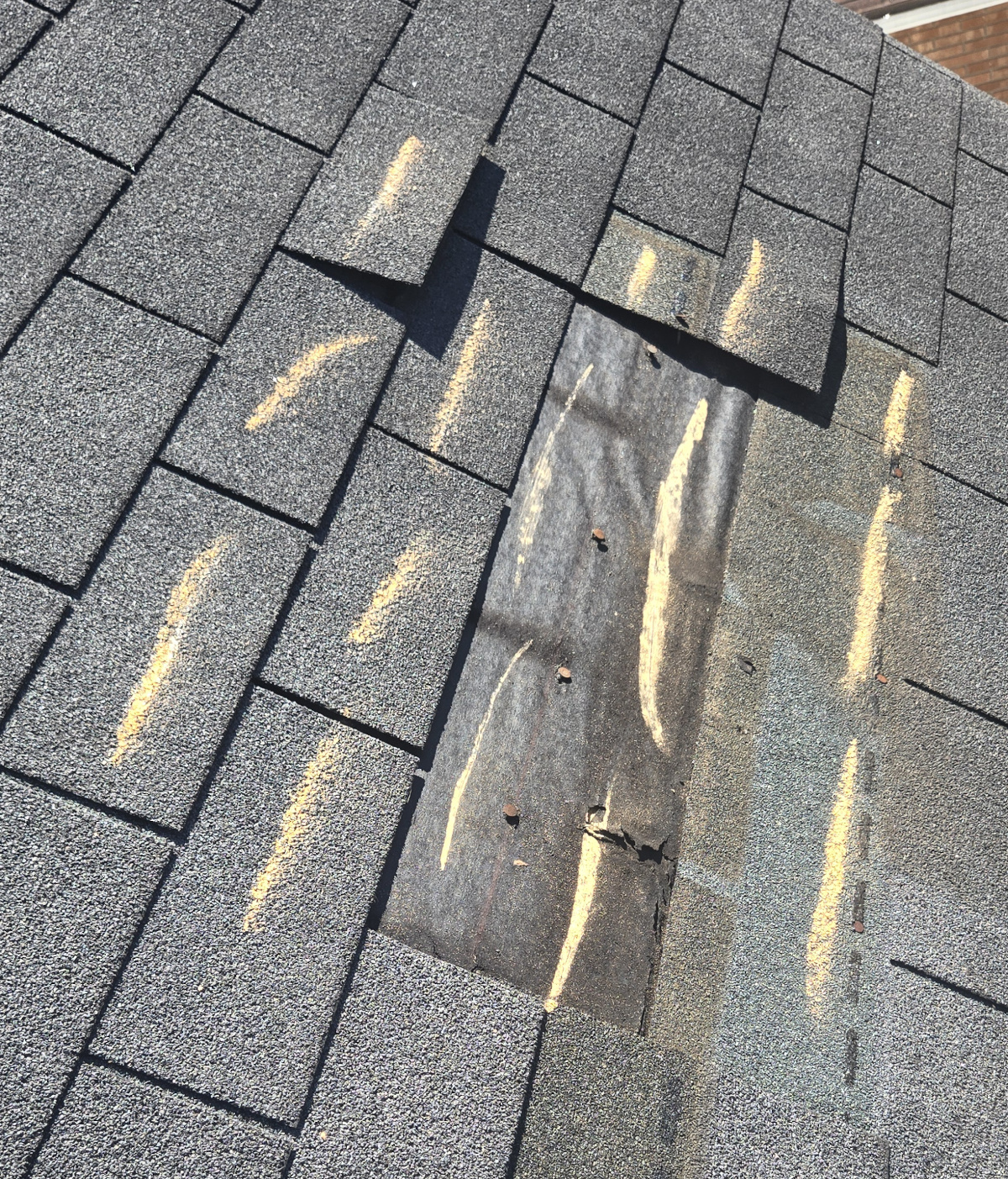
High winds from thunderstorms and occasional hurricanes lift shingles, tear away flashing, and blow debris onto roofs, causing impact damage. Wind damage often appears as missing shingles, creased or folded roofing materials, exposed underlayment, and damaged ridge caps where wind forces concentrate.
Professional assessment is critical for wind damage because surface appearance may not reveal the full extent of problems. Lifted shingles that appear intact often have broken seals that will fail prematurely, requiring replacement rather than simple reattachment.
Hail Damage
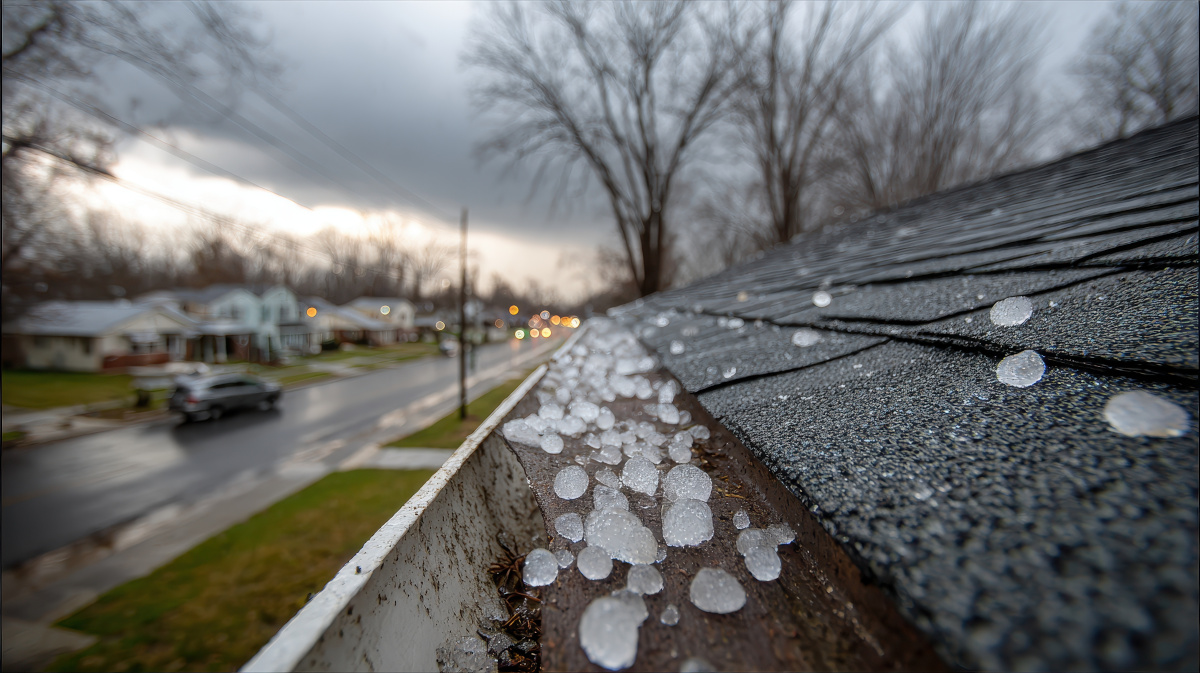
Hail impacts create dents in metal components, bruise and crack shingles, and damage protective granule surfaces on asphalt shingles. Hail damage may not immediately cause leaks, but compromises shingle integrity, accelerating aging and eventual failure.
Hail damage requires professional identification because homeowners often cannot distinguish impact damage from normal wear. Contractors use specific techniques to identify hail bruising and granule loss that adjusters recognize as storm damage rather than aging.
Falling Tree Limbs and Debris
Storms knock branches onto roofs, causing damage ranging from minor shingle impacts to major structural problems when large limbs penetrate roofing systems. Even relatively small branches can crack shingles, damage flashing, or compress insulation, creating problems requiring professional roof repair.
Never attempt to remove fallen limbs from roofs yourself. Professional removal prevents additional damage and ensures safe handling of debris that may have compromised roof structure beneath it.
Ice and Winter Storm Damage
While less common in Greensboro than northern climates, winter ice storms can create ice dams, preventing proper drainage and causing water to back up under shingles. Ice accumulation also adds weight, stressing roof structures, and freeze-thaw cycles can damage already compromised roofing materials.
What Should You Avoid After Discovering Roof Storm Damage?
Certain common mistakes after storm damage create additional problems or complicate insurance claims and repairs.
Don’t Attempt Roof Access or Repairs Yourself
Climbing on damaged roofs risks serious injury or death from falls, structural collapse, or hidden hazards. Beyond safety concerns, amateur repair attempts often cause additional damage that insurance may not cover, void manufacturer warranties, and complicate claims by obscuring original damage patterns.
Leave all roof access and temporary protection to licensed professionals with proper safety equipment, training, and insurance. The cost of professional emergency services is minimal compared to medical expenses from falls or liability from injuries to helpers.
Don’t Delay Professional Assessment and Protection
Water damage from delayed protection can quickly exceed original storm damage costs. Every hour that damaged areas remain exposed risks additional water intrusion affecting insulation, framing, and interior finishes.
Contact professional roofing services immediately upon discovering damage, even during evenings or weekends. Emergency response prevents minor damage from becoming major problems requiring extensive restoration.
Don’t Sign Contracts Under Pressure
Storm chasers often pressure homeowners into signing contracts immediately, sometimes offering to waive deductibles (insurance fraud) or guaranteeing insurance approval. These tactics should raise red flags about contractor legitimacy and intentions.
Legitimate contractors provide written estimates, allow reasonable time for consideration, understand insurance processes, and never guarantee claim outcomes they don’t control. Even in emergencies, you should verify credentials and understand contract terms before signing.
Don’t Pay in Full Upfront
Standard payment terms involve deposits or progress payments tied to work completion, not full payment before work begins. Paying entirely up front leaves you vulnerable if contractors abandon projects or perform substandard work.
Protect yourself by following normal payment schedules even for storm damage work. Emergency tarping may require immediate payment for services rendered, but permanent repairs should follow standard deposit and progress payment structures.
Frequently Asked Questions About Roof Storm Damage Response
Should I call a roofer or my insurance company first?
Call both as soon as possible. Contact your insurance company to file your claim, then immediately call professional roofing contractors for emergency assessment and protection. Most insurers expect you to take reasonable steps preventing further damage, which means professional emergency services, not waiting for adjuster visits.
How quickly can roofing contractors respond to storm damage emergencies?
Established local roofing companies typically provide emergency response within hours during major storm events, though response times may extend during widespread damage affecting many properties simultaneously. Calling immediately after discovering damage ensures earliest possible service.
Will my insurance cover emergency tarping and protection?
Most homeowner policies cover reasonable costs for emergency measures preventing further damage. Professional tarping and temporary protection generally qualify as covered emergency services. Keep all receipts and documentation for reimbursement through your claim.
What if I can’t afford my deductible right away?
Discuss payment options with your roofing contractor. Many companies offer financing or payment plans for insurance deductibles. However, be wary of contractors offering to waive deductibles, as this constitutes insurance fraud that can void your coverage.
How long do I have to file a storm damage claim?
Policy terms vary, but most insurers require notification within days to weeks after damage discovery. Don’t delay, as late reporting complicates claims and may jeopardize coverage. Review your specific policy for exact requirements and call your insurer immediately upon discovering damage.
Can I choose my own roofing contractor for insurance repairs?
Yes, you can select any licensed, qualified contractor for repairs. Insurance companies may suggest contractors, but you’re not required to use them. Choose contractors based on local reputation, qualifications, and your confidence in their work.
What if my insurance claim is denied?
Request detailed written explanation of denial reasons. You can appeal denials by providing additional documentation, obtaining independent professional inspections contradicting insurer findings, or hiring public adjusters to advocate for your claim. State insurance departments handle complaints about unfair claim practices.
How long do roof repairs typically take after storm damage?
Timeline depends on damage extent and material availability. Simple repairs may complete in one to two days, while extensive damage requiring replacement can take one to two weeks. Major storm events affecting many homes create material shortages and contractor backlog, potentially extending timelines.
Protecting Your Home Through Proper Storm Damage Response
Responding correctly to roof storm damage by immediately engaging professional services minimizes repair costs, protects your home from additional damage, and ensures insurance claims proceed smoothly. Professional expertise provides outcomes and safety that DIY efforts cannot match.
GSO Contracting serves Greensboro and surrounding communities with professional roofing services, including emergency storm damage response, comprehensive assessment, and complete repair or replacement. With over 20 years of construction industry experience, their team understands storm damage patterns affecting North Carolina homes and works effectively with insurance companies to facilitate claim processes.
If your roof has sustained storm damage, contact GSO Contracting immediately for professional assessment and emergency protection services. Their experienced team provides the expertise and rapid response homeowners need when weather threatens their most important investment.