 Quick Answer: Get everyone out of the rooms under the impact, stay at least 30 feet from any downed power line, and call 911 if anyone is hurt, lines are down, or you smell gas. Then call your insurer, have a tree crew remove the tree, get the roof covered, and have the framing inspected before permanent repairs.
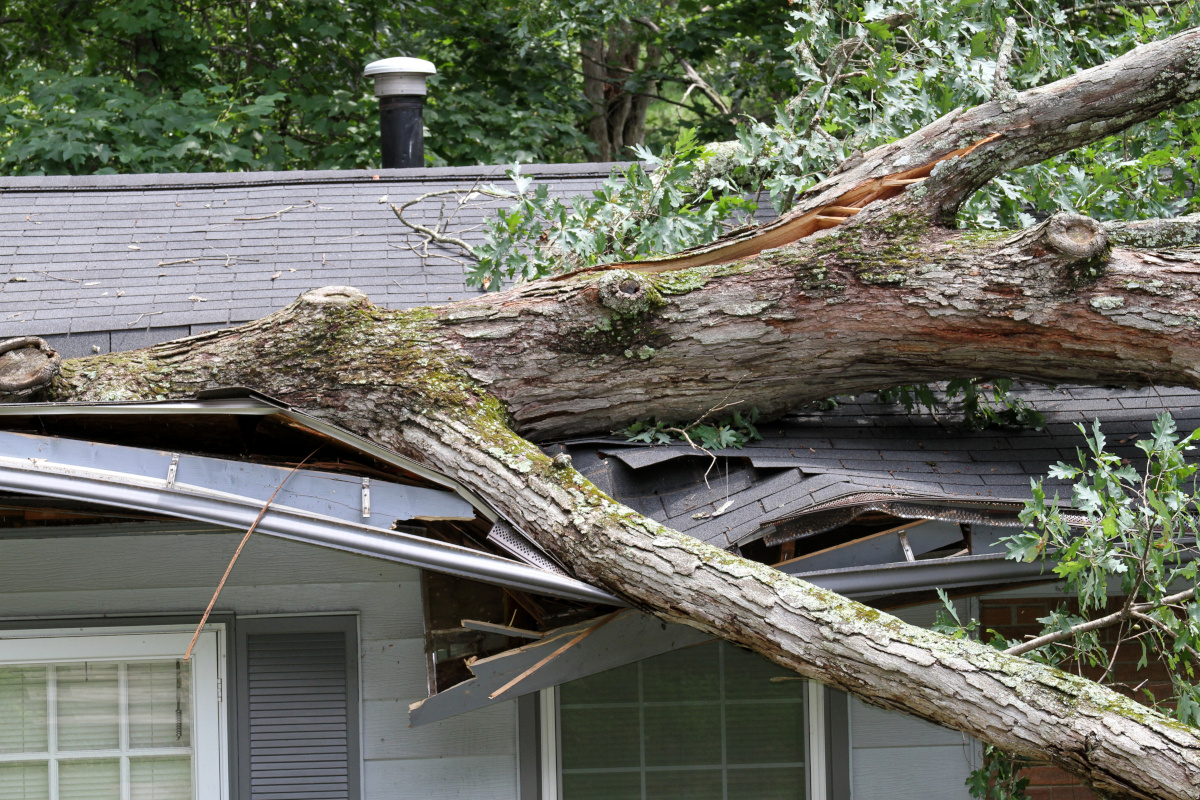
If you searched tree fell on roof from your phone while standing in the yard, the most useful thing to know is that the order matters. Safety comes first: the tree comes off before the roof is fixed, and the damage you can see from the driveway is rarely all of it. A limb heavy enough to break through shingles can also crack rafters, split ceiling drywall, and send water into the walls during the next rain.
GSO Contracting handles storm damage roof repair for homes in Greensboro, Summerfield, and Oak Ridge, including roofs hit by falling trees. This guide walks through what should happen, in order, from the first minutes to the final repair.
First, Make Everyone Safe
The first priority after a tree hits a house is people, not the roof. Work through these before anything else:
- Get everyone out of the rooms directly under the impact and keep them out. A ceiling that is cracked, sagging, or holding water can come down without warning.
- Look for power lines on or near the tree. Duke Energy advises staying at least 30 feet from a downed line, treating every line as live, and avoiding anything it touches, including the tree and wet ground nearby. Report it to Duke Energy or call 911.
- If you smell gas, leave the house and call 911 from outside.
- If water is reaching light fixtures or outlets, stay away from them, and shut off that circuit at the breaker panel only if you can reach the panel safely and dry.
- If the house shows signs of structural movement, such as a bowed ceiling, new cracks running from door corners, or doors that suddenly stick, get everyone out until a professional has looked at it.
Don’t climb onto the roof, and don’t start cutting the tree with a chainsaw. A trunk resting on a roof is under load, and cutting it in the wrong place can drop it further into the house or swing it toward you.
Document the Damage and Call Your Insurer
Once everyone is safe, photograph and video the damage from the ground and from inside: the tree on the roof, the ceiling below, any water, and damaged belongings. Take the photos before anything is moved, since the tree’s position is part of the record. Then call your insurance agent or company to report the damage.
The North Carolina Department of Insurance advises homeowners not to make improvements until an adjuster has inspected the property, while still allowing work needed to prevent further damage. Removing a tree that is pressing on the house and covering an open roof fall into that second group. Keep receipts for any emergency work. The steps for the first day after any storm, including what to photograph, are covered in more detail in what to do immediately after storm damage to your roof.
The Right Order of Work After a Tree Falls on a House
Tree removal comes before roof work. A roofer can’t safely or properly repair a roof with a tree still on it, and the tree’s weight may be part of what is holding damaged framing in place. The usual sequence looks like this:
| Step | What happens | Who does it |
| 1. Make it safe | People out of affected rooms; utilities and downed lines handled | You, Duke Energy, 911 |
| 2. Report and document | Photos, video, and a call to your insurer | You |
| 3. Remove the tree | The tree is cut and lifted off in sections, sometimes with a crane, so it doesn’t drop further into the house | A licensed, insured tree service |
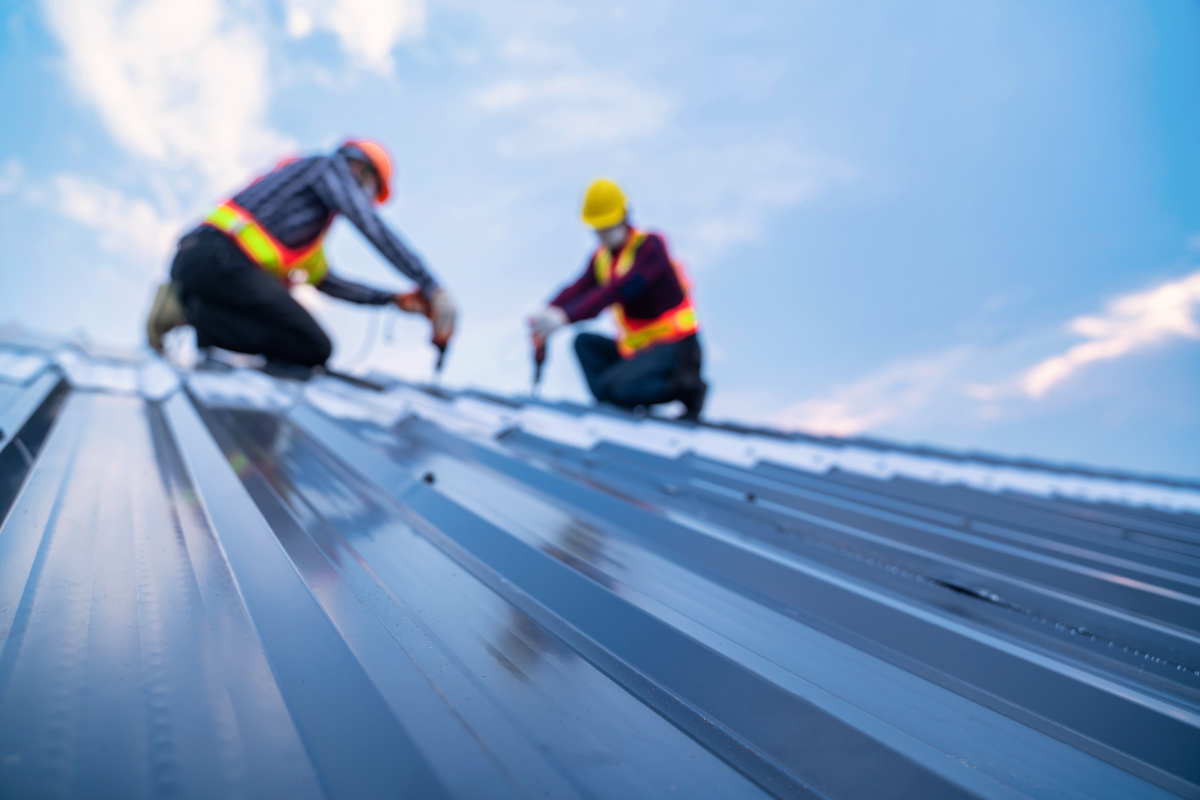
| 4. Cover the opening | The hole and damaged area are tarped or temporarily dried in | A roofing crew |
| 5. Inspect the structure | Rafters or trusses, decking, ceiling, walls, and interior water are checked | A roofer, and an engineer if framing is badly broken |
| 6. Make permanent repairs | Framing, decking, roofing, gutters, and then interior finishes | The roofer and other trades |
The gap between steps 3 and 4 is when a house is most exposed, which is why tree removal and roof covering are often scheduled back to back. This is the kind of emergency roof repair Greensboro homeowners need: getting the opening covered so the next rain stays outside while the claim and the permanent repair are sorted out.
What a Roofer Checks Beyond the Visible Hole
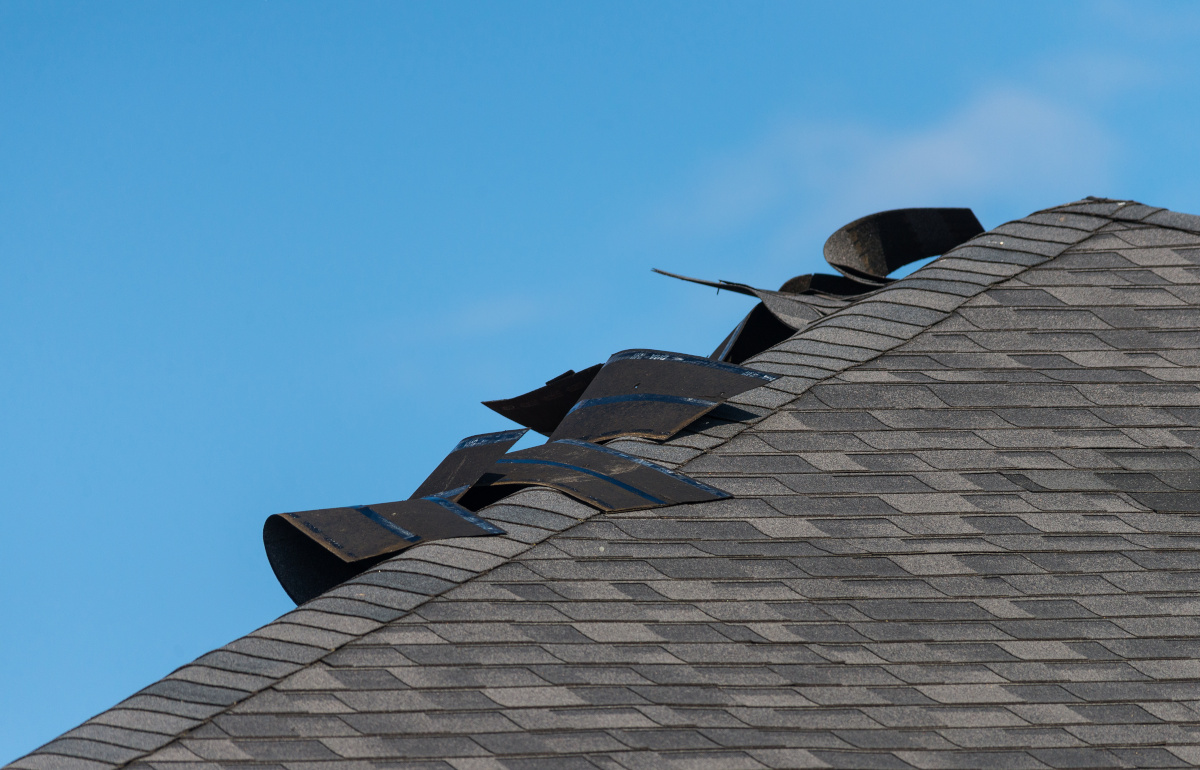
The hole in the shingles is the obvious part of fallen tree damage. The force of the impact travels into the structure, and much of what an inspection finds is underneath or around the visible break.
Rafters and trusses
Rafters and trusses are the framing members that hold up the roof. A trunk or large limb can crack, split, or shift them, sometimes several feet from where the tree landed. Cracked framing has to be repaired or replaced before new decking goes on, and badly broken framing may call for an engineer’s review and a building permit, depending on the scope and the local inspections department.
Decking
Decking is the plywood or board layer the shingles are nailed to. Around an impact, it can be punctured, cracked, or pushed loose from the framing, and sheets that look fine from above may be broken underneath. Damaged sections are cut out and replaced back to solid framing; GSO Contracting’s post on roof decking and why it matters explains what that layer does.
The roof surface and edges
Branches scrape and crack shingles well beyond the main impact, tear ridge caps, and bend flashing and drip edge. Gutters and fascia along the edge where the tree came over are often crushed or pulled loose.
Interior water and the attic
Rain that came in before the roof was covered can soak insulation, run along framing, and spread into wall cavities and ceilings away from the impact. Wet insulation has to come out, and ceilings and walls need to dry fully before they’re repaired, or mold can follow. Any wiring that got wet should be checked by an electrician.
How Trees Come Down in Greensboro
Greensboro gets its share of the two weather patterns that bring trees down: summer thunderstorms and winter ice. National Weather Service records show Greensboro had 18 days with thunderstorms in July 2020 alone, and the strongest gusts in those storms can snap limbs or topple trees with shallow or damaged roots. Ice storms load every branch with weight, and limbs can keep falling for days afterward.
Cleanup responsibility depends on where the tree ends up. According to WFMY News 2’s reporting on City of Greensboro practice, the City handles tree debris in the road or on the sidewalk but will not remove a whole tree from private property. A tree service has to take down and cut up a tree on your property; the City can then collect cut limbs placed near the curb. Call the City before you stack debris to confirm current pickup rules, and check with your town if you live in Summerfield, Oak Ridge, or another community outside the City.
How the Insurance Process Generally Works
Every policy is different, and the insurer’s adjuster decides what is covered. In general, the process runs like this: you report the damage, the insurer assigns an adjuster, the adjuster inspects the house and reviews your photos and the contractor’s findings, and the insurer issues a decision based on your policy, the cause of the damage, and what the adjuster finds.
A few questions are worth asking your agent early:
- How does the policy handle tree removal and debris, separate from repairs to the house?
- Does it matter whose tree it was, or whether the tree was healthy before the storm?
- What is the deductible for this kind of damage, and does it differ for wind or named storms?
- What documentation does the adjuster need from the roofer?
GSO Contracting helps homeowners through the claims process for storm damage, including documenting what the inspection finds.
Choosing Who Repairs the Roof
Fraud is common after big storms, according to the North Carolina Department of Insurance, which recommends hiring only licensed and insured contractors. That matters most when you’re rushed and stressed. Before signing with any roofing contractor Greensboro homeowners are considering after a tree strike, ask whether the estimate includes framing and decking repairs, how temporary covering will be handled, whether a permit is needed, and how the contractor works with insurance adjusters. Be cautious with anyone who asks for large payments upfront or pressures you to sign the same day.
Getting From the Impact to a Finished Repair
A tree on the house feels like one emergency, but it’s really a sequence: make people safe, document, remove the tree, cover the opening, inspect what the impact reached, and then repair from the framing up. Skipping ahead, especially patching shingles over framing nobody inspected, is how a tree strike turns into a second leak or a sagging ceiling months later.
Keep your photos, receipts, and the names of everyone who worked on the house in one place. They make the claim smoother and help whoever does the final repair. GSO Contracting offers free roof inspections when you’re ready for the roof to be assessed.
Frequently Asked Questions
Should I call a tree service or a roofer first?
Call 911 first if anyone is hurt, lines are down, or you smell gas. After that, call your insurer, then a tree service, since the tree has to come off before the roof can be covered or repaired. It helps to line up the roofer at the same time so the opening can be covered right after the tree is removed.
Is it safe to stay in the house after a tree hits the roof?
Sometimes, but stay out of the rooms under the impact until the damage is assessed. Leave the house if you smell gas, if lines are down on or near it, or if you see signs of structural movement, such as a sagging ceiling, new cracks at door corners, or doors that suddenly stick. When in doubt, wait until a professional has looked at it.
Can I remove the tree from my roof myself?
That isn’t a safe job for a homeowner. A tree resting on a house is under tension, and a cut in the wrong place can drop it further into the roof or swing it toward the person cutting. Trees near power lines add an electrocution risk. A licensed, insured tree service has the rigging, and sometimes the crane, to take it down in controlled sections.
How long can a roof stay tarped after a tree falls?
A properly installed tarp is a temporary measure, meant to keep water out until permanent repairs can be scheduled, not to last through months of weather. Wind and sun loosen and wear tarps over time, so check from the ground after storms and keep the permanent repair moving once the adjuster has inspected.
Does homeowners insurance pay when a tree falls on a house?
That depends on your policy, the cause of the damage, and what the insurer’s adjuster finds. Questions such as whose tree it was, whether it was healthy, and how the policy treats tree removal can all affect the outcome. Report the damage promptly, photograph everything before it’s moved, and ask your agent how your specific policy applies.
What if the tree came from my neighbor’s yard?
Report it to your own insurer either way; your policy applies to damage to your house. How responsibility is handled between you, your neighbor, and the insurers depends on the policies and the circumstances, including the tree’s condition before the storm. Photograph where the tree stood and where it landed, and let the insurers work out the details.