 Determining whether your roof needs repair or complete replacement depends on several factors: the extent of damage, your roof’s age, the number of problem areas, and whether issues are isolated or widespread. A roof under 15 years old with localized damage typically needs targeted repairs, while roofs over 20 years old with multiple failing areas usually require full replacement.
Making the wrong choice costs money and leaves your home vulnerable to water damage. Understanding the key indicators that separate repair situations from replacement scenarios helps homeowners make informed decisions and avoid spending more than necessary or delaying critical work.
What Are the Most Important Factors to Consider?
The age of your roof provides the most critical starting point for this decision. Asphalt shingle roofs, the most common type in Greensboro and throughout the Triad, typically last 20-25 years under normal conditions. If your roof is approaching or past this age range, replacement usually makes more financial sense than repairs.
The extent of damage matters just as much as age. A few missing shingles after a storm represent a simple repair situation. Widespread shingle deterioration across multiple roof sections indicates systemic failure requiring replacement. Count the number of problem areas and assess whether they’re isolated incidents or part of a larger pattern.
Consider how repairs fit into your timeline. If you’re planning to sell your home within the next few years, a full roof replacement often provides better return on investment than multiple small repairs. Conversely, if you’re staying long-term and your roof has 10+ years of serviceable life remaining, strategic repairs can maximize your existing roof’s value.
Key factors influencing the repair vs. replacement decision:
- Current roof age and expected remaining lifespan
- Number and location of problem areas
- Severity of visible damage
- History of previous repairs
- Presence of interior water damage or leaks
- Condition of flashing and other roof components
- Overall structural integrity of roof decking
Your home’s resale value and neighborhood standards also play a role. In upscale Greensboro neighborhoods where curb appeal matters, a patched, mismatched roof creates a poor first impression that affects property value more than the functional issue itself.
How Does Roof Age Affect This Decision?
Roofs under 10 years old almost always benefit from targeted repairs rather than full replacement, assuming the original installation was done correctly and quality materials were used.
Between 10-15 years, the decision becomes more nuanced. A well-maintained roof in this age range can handle repairs effectively, especially if damage is storm-related or limited to specific areas. However, if you’re experiencing multiple unrelated problems or the damage is extensive, the remaining roof lifespan might not justify repair costs.
Roofs 15-20 years old sit in a gray area where either option might make sense depending on specific circumstances. Calculate the repair cost as a percentage of replacement cost. If repairs exceed 30-40% of what replacement would cost, and your roof is already past its midpoint, replacement typically offers better long-term value.
Beyond 20 years, replacement becomes the default recommendation for any significant issues. Even if repairs seem viable, you’re likely to face additional problems within a few years as other components reach the end of their service life. Multiple repair projects over several years often cost more than one comprehensive replacement would have.
North Carolina’s climate accelerates roof aging compared to milder regions. The combination of intense summer heat, UV exposure, humidity, and severe weather means local roofs often deteriorate faster than manufacturer estimates suggest. A 20-year-old roof in Greensboro might show wear comparable to a 25-year-old roof in a less demanding climate.
What Damage Patterns Indicate Repair Is Sufficient?
Isolated damage from identifiable causes usually signals a repair situation rather than systemic failure requiring replacement.
Storm damage affecting a specific section of your roof qualifies for targeted roof repair Greensboro services. If high winds tore off shingles in one area or hail damaged a particular section, replacing those damaged shingles restores protection without addressing the entire roof. This assumes the surrounding shingles remain in good condition.
Flashing failures around chimneys, vents, or valleys can be repaired without touching the main roof surface. Deteriorated flashing causes many leaks, but replacing failed components and resealing connections solves the problem if the shingles themselves are still functional.
Minor granule loss affecting a small percentage of your roof doesn’t necessarily require replacement. Shingles lose some granules normally over time. Localized bare spots from excessive foot traffic or concentrated water flow can be addressed by replacing affected shingles.
Damage patterns that respond well to repairs:
- Missing shingles in a concentrated area after wind events
- Isolated leak around a single roof penetration
- Damaged ridge cap shingles along roof peaks
- Torn or cracked shingles in accessible repair areas
- Failed flashing at specific locations
- Minor soffit or fascia damage not affecting the main roof
Successful repairs depend on matching replacement materials to your existing roof. If your shingle style or color has been discontinued, achieving an acceptable match becomes difficult. Mismatched repairs create aesthetic issues that might push you toward full replacement for appearance reasons.
What Signs Point Toward Full Replacement?
Multiple leaks occurring in different areas of your roof indicate widespread failure rather than isolated problems that repairs can solve.
Curling shingles across large sections signal advanced age-related deterioration. When shingle edges curl upward or downward throughout your roof rather than in isolated spots, the asphalt has dried out and lost flexibility. This condition affects the entire roof and will continue progressing until complete failure.
Extensive granule loss creating bare spots across multiple roof areas means UV protection is gone and rapid deterioration is underway. When granules wash down your gutters during every rain or you can see asphalt backing showing through on numerous shingles, the roof has reached the end of its functional life.
Sagging roof sections indicate structural problems beyond the roofing material itself. When roof decking deteriorates from long-term moisture exposure, it loses strength and begins to sag. This requires replacing not just shingles but also the underlying structure, making targeted repairs impractical.
Red flags that typically require roof replacement Greensboro professionals:
- Widespread shingle curling, cracking, or brittleness
- Daylight visible through roof boards from the attic
- Extensive moss or algae growth indicating chronic moisture
- Multiple previous repair attempts that failed
- Sagging areas between rafters
- Granules accumulating heavily in gutters
- Shingles that break or crumble when touched
Interior signs also indicate replacement necessity. Water stains on multiple ceilings, mold or mildew in the attic, or visible rot in roof framing suggest prolonged moisture infiltration that has damaged multiple roof layers. Surface repairs won’t address the underlying structural deterioration.
How Do You Assess the Scope of Damage?
Professional roof inspection provides the most accurate assessment, but homeowners can conduct preliminary evaluations from the ground and attic.
From ground level, use binoculars to inspect your roof’s condition. Look for obvious missing shingles, areas where shingles appear different in color or texture (indicating previous repairs), curled or lifted shingle edges, and damaged or missing flashing around chimneys and vents.
Attic inspection reveals problems invisible from outside. On a sunny day, go into your attic and look for light penetrating through roof boards, which indicates holes or gaps. Check for water stains on rafters or roof decking, examine insulation for moisture or mold, and look for any sagging between rafters.
Document everything you find. Take photos of problem areas, note the locations, and estimate the affected percentage of your total roof area. If damage covers less than 25-30% of your roof and is concentrated in specific sections, repairs might suffice. Damage exceeding 40-50% of the roof area generally justifies replacement.
Count the number of distinct problem areas. One or two isolated issues suggest repair candidates. Five or six different locations with varying types of damage indicate systemic problems that will continue developing across the entire roof.
What Role Does Your Roof’s History Play?
A roof requiring frequent repairs over several years sends a clear message that replacement time has arrived.
Track your repair history. If you’ve addressed three or four different issues in the past five years, the pattern suggests your roof is in general decline rather than experiencing isolated failures. Each repair buys temporary relief, but the underlying problem is aging roofing material nearing failure.
Multiple patch jobs create aesthetic concerns and potentially void remaining warranty coverage. Manufacturer warranties often exclude coverage if the roof has been extensively patched or if repairs used incompatible materials. A heavily repaired roof also complicates any future insurance claims.
Consider the cumulative cost of repairs. If you’ve spent 30-40% of a replacement cost on repairs over the past several years, you’ve already invested significantly in a failing system. Additional repairs compound this investment without solving the fundamental issue that your roof is worn out.
Previous poor-quality repairs sometimes create problems worse than the original issue. If earlier repairs used inadequate materials, improper techniques, or didn’t address underlying causes, those repairs might have accelerated deterioration rather than stopping it.
How Does Climate Affect This Decision in the Triad?
Greensboro, High Point, and Winston-Salem experience weather patterns that influence roof longevity and repair viability differently than other regions.
North Carolina’s humid subtropical climate creates year-round roof stress. Summer temperatures frequently exceed 90 degrees, baking shingles and accelerating granule loss. High humidity promotes algae and moss growth that trap moisture against shingles, reducing their lifespan.
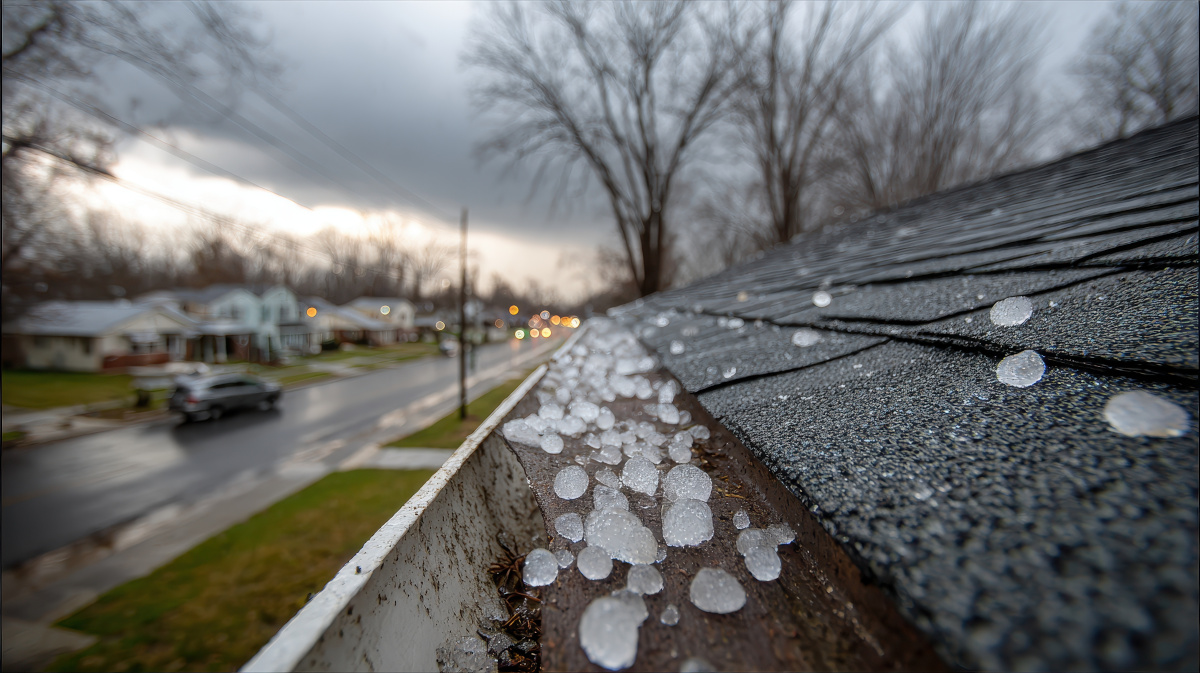
Severe weather events common to the Triad area cause sudden damage requiring immediate decisions. Hail from spring and summer thunderstorms can damage large roof sections simultaneously. If hail has compromised shingle integrity across 40% or more of your roof, replacement typically makes more sense than extensive repairs.
Winter ice and occasional snow create freeze-thaw cycles that work water into small cracks and gaps, expanding damage over time. These cycles make small problems grow quickly, often turning what could have been simple repairs into larger issues requiring more extensive work.
Local climate factors affecting roof decisions:
- Intense UV exposure degrading shingle asphalt
- High humidity promoting organic growth
- Severe thunderstorms with damaging winds
- Hail events affecting multiple roof sections
- Temperature extremes causing thermal stress
- Heavy rainfall testing waterproofing integrity
Roofs in the Triad often need replacement sooner than manufacturer estimates suggest because local conditions stress materials more aggressively than national averages assume. A roof rated for 25 years might realistically last 18-22 years in this climate.
What Questions Should You Ask a Roofing Professional?
When consulting a roofing contractor Greensboro about repair versus replacement, ask specific questions that reveal their expertise and help you understand your options.
Request a detailed explanation of what they found during inspection. A quality contractor identifies all problem areas, explains what caused each issue, and describes how problems relate to overall roof condition. Vague assessments lacking specific details suggest the contractor hasn’t thoroughly evaluated your situation.
Ask for both repair and replacement options with explanations of when each makes sense. Contractors pushing only one option without discussing alternatives might prioritize their preferred work type over your best interests. Understanding both pathways helps you make an informed choice.
Inquire about warranty implications. If your roof still has manufacturer warranty coverage remaining, ask how proposed repairs affect that coverage. Some repairs void warranties, while others maintain protection for non-repaired areas.
Essential questions for roofing contractors:
- What specific damage did you find and where?
- How does my roof’s age affect your recommendation?
- Can you explain the cost-benefit of repair versus replacement?
- What warranties apply to repair work versus new installation?
- How long will repairs extend my roof’s functional life?
- Are there additional problems that might develop soon?
- What happens if I delay this decision?
Request documentation including photos of problem areas and written estimates detailing all recommended work. This documentation helps you compare quotes from multiple contractors and provides a baseline for future reference.
When Does Partial Replacement Make Sense?
Partial roof replacement, where only specific sections are replaced while others remain, occasionally represents the best option for certain situations.
Homes with multiple roof sections at different ages might benefit from partial replacement. If you added a room addition five years ago with a new roof section, but your original 20-year-old roof is failing, replacing only the older section makes financial sense.
Severe damage to one roof plane with other sections remaining in good condition sometimes justifies partial replacement. If storm damage destroyed shingles on your south-facing slope but other areas show normal wear for the roof’s age, replacing just the damaged section could work.
However, partial replacement creates matching challenges and potential warranty complications. Finding shingles that match your existing color and style becomes difficult, especially for older roofs. The visible line between old and new sections often creates aesthetic concerns.
Partial replacement generally only makes sense when the sections being preserved have at least 8-10 years of expected life remaining and show no signs of advanced wear. Otherwise, you’re likely to need additional work soon anyway, turning one project into multiple expenses.
What Are the Long-Term Considerations?
Think beyond immediate costs and consider how your decision affects your home’s future.
Full replacement eliminates worry about roof issues for 20+ years, providing peace of mind and reducing maintenance concerns. You won’t face repeated repair decisions or emergency situations from unexpected failures. This certainty has value beyond the financial calculation.
Energy efficiency improvements available with replacement can lower utility costs. New roofing materials with better insulating properties and reflective surfaces reduce heat transfer, decreasing cooling costs during Greensboro’s hot summers. These savings accumulate over the roof’s lifetime.
Home sale timing influences the right choice. A new roof significantly boosts marketability and often returns 60-70% of its cost in increased home value. If you’re selling within five years, replacement provides stronger selling points than a repaired older roof.
Insurance considerations matter too. Older roofs with repair history sometimes face coverage restrictions or higher premiums. A new roof typically qualifies for better insurance rates and broader coverage options.
Frequently Asked Questions About Roof Repair vs. Replacement
How much damage justifies full replacement over repair?
When damage affects more than 30-40% of your roof area, replacement typically makes more financial sense than extensive repairs. This threshold drops lower for roofs already 15+ years old, where even smaller damage percentages might warrant replacement due to the limited remaining lifespan.
Can I mix repair and replacement to save money?
Partial approaches work in specific situations like separate roof sections at different ages, but generally create matching problems and future complications. Most contractors recommend full replacement once damage exceeds certain thresholds to avoid patchwork appearances and warranty issues.
How long do professional repairs typically last?
Quality repairs on an otherwise sound roof can last 5-10 years or more. However, repairs on an aging roof might only provide 2-3 years of additional service before other areas begin failing. The base roof condition determines repair longevity more than the repair quality itself.
Will insurance cover replacement if I only have minor damage?
Insurance typically covers storm damage repairs based on actual damage scope. If a covered event like hail damaged your entire roof, replacement might be covered. Minor isolated damage usually results in repair coverage only. Age and pre-existing wear affect coverage determinations significantly.
How quickly do I need to decide after discovering damage?
Address active leaks immediately with temporary measures and schedule professional assessment within days. Roof damage without active leaking can wait a few weeks for proper evaluation, but don’t delay months as problems worsen with exposure to weather.
Should I get multiple opinions?
Yes, consult 2-3 reputable contractors for assessments. Comparing evaluations helps you understand whether recommendations align or if one contractor’s assessment differs significantly. This protects against both over-treatment and under-treatment of your roof issues.
Does a replacement require permits in Greensboro?
Most residential roof replacements in Greensboro require building permits. Your contractor should handle permit applications, but verify this is included in their proposal. Permitted work ensures code compliance and protects you if problems arise later.