 Timing matters when it comes to replacing your roof. Choose the wrong season, and you might face weather delays, scheduling headaches, or installation issues that could affect your roof’s performance. Pick the right time, and your project goes smoothly from start to finish.
So what’s the best time for roofing in Greensboro? The short answer is fall, but like most things with home improvement, there’s more to the story. Let’s break down each season so you can make the best decision for your situation.
Why Fall Is Usually Your Best Bet
Fall consistently ranks as the ideal time for roof replacement Greensboro homeowners can count on. The weather conditions from September through November create nearly perfect roofing conditions.
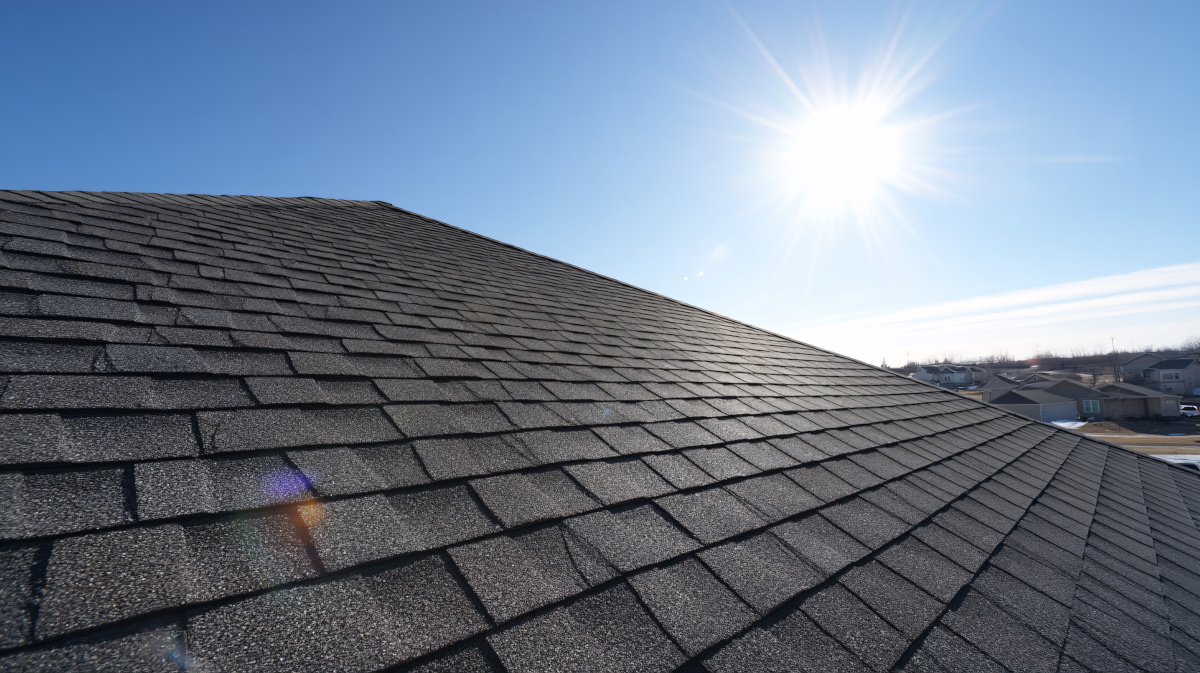
Temperatures during fall typically range from the mid-50s to mid-70s. This sweet spot matters more than you might think. Asphalt shingles, the most common roofing material in our area, need moderate temperatures to seal properly. The adhesive strips on the back of each shingle activate with warmth, but too much heat causes problems and too little prevents proper sealing.
Fall weather in Greensboro tends to be stable. You get fewer afternoon thunderstorms than spring and summer, and you’re ahead of winter’s unpredictable cold snaps. This stability means fewer weather delays and a better chance of completing your project on schedule.
There’s another practical advantage to fall roofing: you’re preparing your home before winter. A new roof installed in the fall protects your home through the cold months ahead. You won’t worry about ice dams, wind-driven rain, or snow finding its way through worn shingles.
The main downside? Fall is popular precisely because conditions are so good. Many homeowners have the same idea, which means Greensboro roofing contractors book up quickly. If you want a fall installation, start planning in summer.
Spring Brings Good Weather and High Demand
Spring is the second-best season for roof replacement, and it shares many of fall’s advantages. March through May brings mild temperatures and generally cooperative weather. Your new roof goes on under good conditions, and you’re set for the entire year ahead.
Roofing materials perform well in spring temperatures. Shingles seal properly, and crews can work comfortably without dealing with extreme heat or cold. The longer daylight hours also mean work crews can put in full days, potentially completing your project faster.
But spring comes with a catch. It’s the busiest season for roofing contractors, even more so than fall. Homeowners who discovered roof damage during winter want repairs. Insurance claims from winter storms create a backlog. And many people simply prefer to tackle home projects as the weather warms up.
This high demand means longer wait times and less flexibility in scheduling. If you need your roof replaced quickly, spring might not be your best option unless you book well in advance.
Spring weather in Greensboro can also be unpredictable. We get our share of rain showers and the occasional late-season cold snap. Afternoon thunderstorms can pop up with little warning, causing delays that push your project timeline back.
Summer Roofing: Hot but Doable
Summer is a perfectly acceptable time for roof replacement, though it comes with some specific challenges. June, July, and August bring long days and typically dry weather, both positives for roofing work.
The extended daylight hours mean crews can start early and work late if needed, potentially completing larger projects faster. The lack of rain reduces weather delays, and the consistent warmth ensures shingles seal quickly and effectively.
However, summer heat is a real consideration. Temperatures regularly climb into the 90s, and your roof surface gets even hotter. Working on a black asphalt roof under the July sun is physically demanding, which can slow down the crew’s pace. Some contractors prefer to start very early in the morning to avoid the worst of the afternoon heat.
The heat affects materials too. Shingles become more pliable in extreme temperatures, which makes them easier to damage during installation if workers aren’t careful. This doesn’t mean summer installations are problematic, but it requires experienced crews who know how to handle materials in hot conditions.
From a scheduling perspective, summer availability varies. Early summer tends to be busy as contractors work through their spring backlog. Late summer often opens up a bit, making August a surprisingly good time if you have flexibility.
Winter: The Wild Card Season
Winter is generally the least ideal time for roof replacement, but it’s not impossible. December through February present real challenges, though sometimes circumstances don’t give you much choice.
Cold temperatures are the main issue. When it’s below 40 degrees, asphalt shingles don’t seal properly. The adhesive strips need warmth to activate, and without proper sealing, your roof is vulnerable to wind damage. Some manufacturers won’t warranty shingles installed in cold temperatures.
Shorter days mean less productive work time. A project that takes two days in summer might stretch to three or four in winter simply because of limited daylight. Add in the potential for ice, snow, or freezing rain, and you have a recipe for delays.
That said, winter has one significant advantage: availability. This is the slowest season for roofing contractors, which means you’ll have much easier scheduling and potentially better pricing. If you need emergency roof replacement due to severe damage, quality contractors can still get the job done using specialized installation techniques.
Some experienced Greensboro roofing contractors will take on winter projects during mild stretches. If we get a week of 50-degree weather in January, that’s workable. But you need a contractor who understands the challenges and won’t cut corners just to complete the job.
Making Your Decision
While fall offers the best overall conditions for roof replacement Greensboro weather patterns can accommodate roofing work nearly year-round with the right approach. Your specific situation matters more than following a rigid seasonal rule.
If your roof is actively leaking, you can’t wait for the perfect season. Emergency repairs or replacement need to happen regardless of the calendar. A quality contractor will work with the conditions and take necessary precautions to ensure proper installation.
Budget considerations might influence your timing too. Contractors sometimes offer better rates during slower seasons when they’re trying to keep crews working. If you have flexibility, ask about off-season pricing.
Consider your own schedule as well. Maybe fall is technically ideal, but you’re traveling for work or dealing with other commitments. Spring might work better for your family’s needs even if it means a slightly longer wait for contractor availability.
Planning Ahead Makes All the Difference
Regardless of when you schedule your roof replacement, advance planning gives you the best outcome. Don’t wait until you have active leaks to start thinking about a new roof. If your roof is approaching 20 years old or showing signs of wear, start having conversations with contractors before you’re in emergency mode.
Get multiple estimates during the off-season even if you’re planning a fall installation. This gives you time to compare options, check references, and make an informed decision without feeling rushed.
Ask potential contractors about their scheduling and how they handle weather delays. A professional company will have contingency plans and will communicate clearly about realistic timelines.
At GSO Contracting, we work with homeowners year-round to schedule roof replacements at times that work for both optimal installation conditions and your personal needs. We understand Greensboro’s weather patterns and know how to plan projects that minimize delays while ensuring quality results.
Whether you’re ready to schedule now or planning for later in the year, we can help you determine the best timing for your specific situation. Give us a call to discuss your roof replacement project. We’ll provide honest guidance about timing, realistic expectations for your chosen season, and a detailed plan to protect your home with a quality roof installation.