How to Choose a Roofing Contractor in Greensboro, NC (Without Getting Burned)
The complete homeowner’s guide to vetting, hiring, and protecting yourself, from a Greensboro roofer with 33 years in the business.
Roofing is one of the largest home improvement investments most Greensboro homeowners will ever make. It is also one of the industries with the highest rate of contractor fraud, shoddy workmanship, and fly-by-night operators, especially in the weeks after a major storm. Choosing the wrong roofer can cost you thousands in failed repairs, voided warranties, and damage that never gets properly fixed. Choosing the right one gives you a roof that lasts 25–30 years and a contractor you can call back any time.
This guide walks you through every step of finding, vetting, and hiring a roofing contractor in Greensboro. Whether you need a quick repair or a full replacement, these steps apply, and they come from 33 years of watching homeowners make both great and costly decisions.
What You’ll Learn: Real 2026 price ranges by home size and shingle type: the 7 biggest factors that affect your final cost; when repair makes more sense than replacement; how to file an insurance claim for storm damage; and 5 of the most common questions Greensboro homeowners ask.
Why Choosing the Right Roofer Matters More Than You Think
Not all roofing work is equal. Two contractors can install the same brand of shingles at similar prices and produce results that perform completely differently over time. The difference comes down to proper installation technique, correct underlayment application, adequate ventilation, precise flashing work, and adherence to manufacturer specifications that protect your warranty.
A roof installed incorrectly can fail in 5 years instead of 30. Worse, most warranty claims are denied when an inspector determines the failure was caused by improper installation, meaning the homeowner pays out of pocket for a second full replacement. The time you spend vetting a contractor upfront is the single best investment you can make in your roofing project.
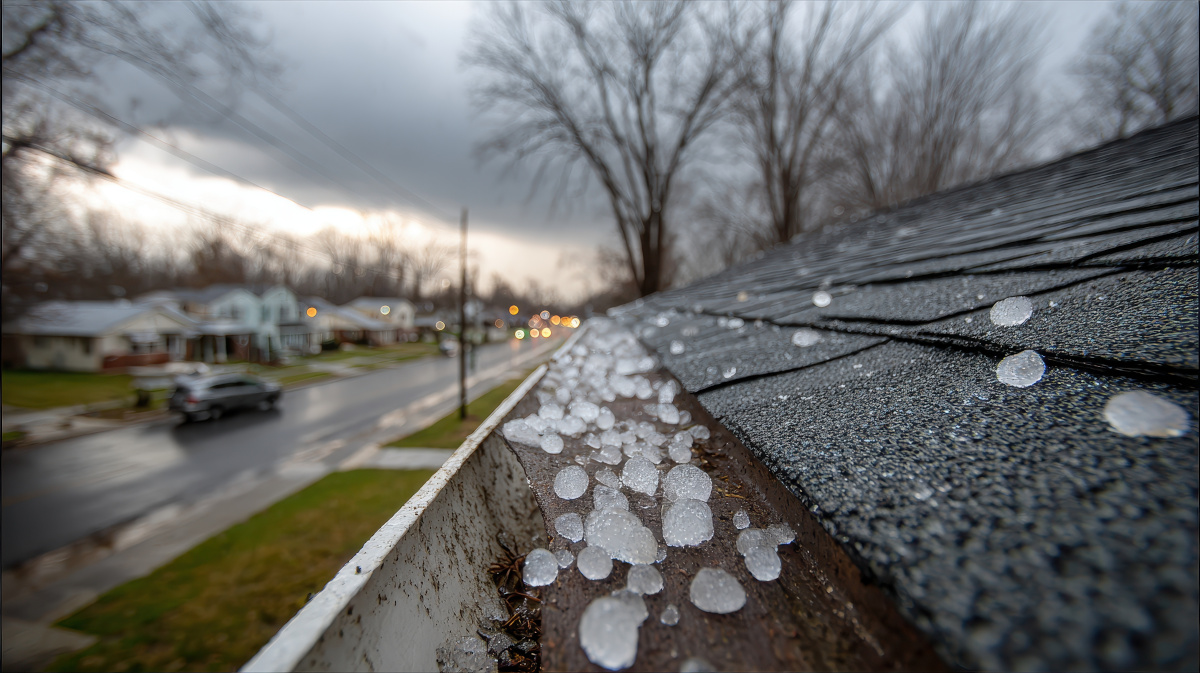
Storm Chasers Are Real in Greensboro: After major hail or wind events, out-of-state contractors flood the Triad looking for quick insurance jobs. Many disappear once paid, leaving behind poor work with no warranty support. Always verify a contractor has a verifiable local address and NC license, not just a phone number.
7 Credentials to Verify Before Hiring Any Greensboro Roofer
Before you get into pricing or timelines, these are the non-negotiable credentials every legitimate roofing contractor in North Carolina should be able to produce. Ask for each one, and verify them independently.
| # | What to Check | What You’re Looking For |
|---|---|---|
| 1 | NC Contractor License | North Carolina requires roofing contractors to hold a valid General Contractor license for projects over $30,000. Verify at the NC Licensing Board for General Contractors website (nclbgc.org) using the contractor’s name or license number. |
| 2 | General Liability Insurance | Minimum $1M per occurrence is standard. Ask for the Certificate of Insurance directly from the contractor, not a photocopy. Call the insurer to confirm the policy is active and covers roofing work in NC. |
| 3 | Workers’ Comp Insurance | If a worker is injured on your property and the contractor lacks workers’ comp, you as the homeowner may be liable. This is non-negotiable. Any crew of more than 3 employees is required to carry it in NC. |
| 4 | Local Physical Address | A real local business has a verifiable street address, not just a P.O. box or out-of-state phone number. Drive by if needed. Contractors who disappear after payment almost always lack a traceable local presence. |
| 5 | BBB Accreditation / Rating | Check bbb.org for accreditation status and complaint history. An A+ rating with no unresolved complaints is a strong trust indicator. Any contractor with multiple unresolved complaints is a risk. |
| 6 | Manufacturer Certification | Top shingle manufacturers like CertainTeed, GAF, and Owens Corning certify contractors who meet training and installation standards. Certified contractors can offer enhanced warranties unavailable through uncertified installers. |
| 7 | References & Portfolio | Ask for 3–5 recent local references, not just testimonials on their website. Call them. Also look for a project gallery or before/after photos from Greensboro-area homes to confirm local experience. |
Key Takeaway: Do not skip the insurance verification step. It takes five minutes to call an insurance company and confirm a policy is active, and it protects you from potentially unlimited liability if something goes wrong on your property.
Red Flags vs. Green Flags: How to Read a Roofing Contractor Fast
Once you are in the conversation with a contractor, watch for these signals. They tell you more about how a contractor operates than any sales pitch ever will.
Red Flags, Walk Away
- Demands full payment or large cash deposit upfront
- Cannot produce insurance certificates on request
- No local address, only a mobile number
- Pressures you to sign same-day or offers expires-today pricing
- Offers to waive your insurance deductible (illegal in NC)
- Quote is dramatically lower than all others, with no explanation
- Wants to skip a permit on work that requires one
- Suggests installing new shingles over 2+ existing layers
- No written warranty on workmanship offered
- Vague scope of work, no written material specifications
Green Flags, Good Signs
- Provides insurance certificates readily and unprompted
- Has a verifiable local address and years of Greensboro history
- Offers a detailed written estimate with line-item breakdown
- Gives you time to review and compare, no pressure tactics
- Licensed with NC Licensing Board, verifiable online
- Manufacturer-certified with enhanced warranty access
- Proactively discusses ventilation and decking inspection
- Clear workmanship warranty in writing (typically 2–10 years)
- Positive BBB rating and real local references available
- Communicates timeline, process, and cleanup expectations clearly
10 Questions to Ask Every Roofing Contractor Before Hiring
These questions accomplish two things: they give you the information you need to make a smart decision, and they signal to contractors that you are an informed homeowner, which tends to bring out more honest, professional behavior. Ask every contractor the same questions so you can compare answers directly.
1. Are you licensed to work as a roofing contractor in North Carolina?
The correct answer is yes, with a specific license number you can verify at nclbgc.org. Any hesitation, deflection, or claim that a license is not required for your project should be treated as a major red flag. In North Carolina, general contractor licensing is required for roofing work on projects exceeding $30,000 in value, which includes most full roof replacements.
2. Can you provide proof of liability and workers’ compensation insurance?
A legitimate contractor should hand you a Certificate of Insurance without hesitation. The certificate should name your address as a certificate holder, or they should be willing to add it. Verify the policy is active by calling the insurer directly, the phone number is on the certificate.
3. What roofing materials do you use, and are you manufacturer-certified?
Manufacturer certification, such as CertainTeed SELECT ShingleMaster or GAF Master Elite, is not just a marketing designation. Certified contractors receive access to enhanced warranties (up to 50 years on some products) that uncertified contractors simply cannot offer. Always ask which manufacturer and which certification level.
4. What does your written workmanship warranty cover, and for how long?
Material warranties come from the manufacturer. Workmanship warranties come from the contractor, and they cover installation errors that cause failures. A quality roofing contractor should offer a minimum of 2 years on workmanship, with strong contractors offering 5–10 years. Get it in writing. A verbal promise is worthless.
5. Will you pull the required permits for this job?
In Greensboro, roofing permits are typically required for full replacements and some significant repair work. Permits exist to protect you, they trigger inspections that confirm the work meets code. A contractor who wants to skip permits is either cutting corners, avoiding scrutiny, or both. Never agree to unpermitted work on a job that requires a permit.
6. Who will actually be doing the work, your employees or subcontractors?
Many roofing companies win contracts and then hand the work to subcontractors they have little control over. This is not automatically bad, but you should know who is on your roof. Ask if subs carry their own insurance, whether the primary contractor supervises the work, and who is responsible if something goes wrong.
7. How will you handle any damaged decking found during tear-off?
Rotten or damaged roof decking is not always visible during the initial inspection, it shows up during tear-off. Ask the contractor how they price decking repairs (typically per sheet), whether they will document damage with photos before covering it, and how quickly they communicate these changes before proceeding. A contractor who replaces decking without telling you is one to avoid.
8. What is your cleanup process, and do you use a magnetic nail sweep?
Roofing tear-offs scatter hundreds of nails across your yard, driveway, and landscaping. A professional roofing crew performs a thorough cleanup including a magnetic nail sweep at the end of each day and at project completion. If a contractor seems dismissive of this question, expect to find nails in your lawn for months.
9. Can I have at least three local references I can call?
Any established roofing contractor in Greensboro should have multiple completed local projects and customers willing to speak about their experience. If a contractor cannot produce references, that absence tells you something important. When you call references, ask specifically about timeline, communication, cleanup, and whether they would hire the contractor again.
10. What is the full payment schedule, and do you accept credit cards?
A reasonable payment structure for a roofing job looks something like: 0–10% deposit at signing, 40–50% at material delivery, and the balance due upon satisfactory completion. Any contractor demanding more than 30–40% upfront before materials arrive warrants extra scrutiny. Paying by credit card provides an additional layer of consumer protection if disputes arise.
How to Compare Roofing Quotes the Right Way
Getting three quotes is standard advice, but most homeowners compare the bottom line and stop there. That approach misses most of what matters. Here is how to evaluate quotes properly so you are comparing equal scopes of work.
What a Complete Roofing Quote Should Always Include
- The exact shingle brand, product line, color, and warranty information
- Underlayment type (synthetic vs. felt) and weight/grade specified
- Whether ice-and-water barrier is included and where it will be applied
- Number of layers to be torn off and disposal included in price
- All flashing work, step flashing, pipe boots, drip edge, itemized
- Ridge cap shingle type and ventilation specifications
- Decking repair pricing method (per sheet rate) if needed
- Cleanup process and magnetic nail sweep confirmation
- Permit responsibility, who pulls it and who pays for it
- Payment schedule with specific milestone triggers
- Workmanship warranty terms in writing
The Apples-to-Apples Quote Comparison
Use this framework when comparing quotes side by side. A lower price that omits key line items is not a better deal, it’s a hidden cost waiting to appear.
| Line Item | Contractor A | Contractor B | Contractor C |
|---|---|---|---|
| Shingle brand/grade | |||
| Underlayment type | |||
| Ice & water barrier | |||
| Full tear-off incl. | |||
| Flashing replaced | |||
| Decking rate/sheet | |||
| Ridge vent / system | |||
| Permit included | |||
| Workmanship warranty | |||
| Cleanup / nail sweep | |||
| Payment schedule | |||
| TOTAL PRICE |
Print this framework and fill it in as you receive each quote. Any line item left blank by a contractor is either not included, or a question you need to ask before signing.
On unusually low bids: If one quote comes in 20–30% below the others with no clear explanation, do not assume you found a bargain. Ask which line items differ. Common omissions in low bids: synthetic underlayment swapped for felt, flashing not replaced, no decking coverage, no permit, and substandard shingle grades.
What Your Roofing Contract Must Include
A verbal agreement is not a contract. Before any crew sets foot on your roof, you should have a signed written contract that covers all of the following. If a contractor is reluctant to put any of these items in writing, that reluctance is itself important information.
| Contract Section | What It Should Say |
|---|---|
| Parties & Project Address | Full legal names of contractor and homeowner, NC contractor license number, and the specific property address where work will be performed. |
| Scope of Work | Detailed description of every task: tear-off layers, underlayment type, shingle brand/line/color, flashing replacement, ridge cap, ventilation work, and cleanup. Vague scopes like ‘reroof home’ are not acceptable. |
| Materials Specification | Exact product names, grades, and quantities. If CertainTeed Landmark shingles in Charcoal are agreed upon, that needs to be in the contract, not just ‘architectural shingles.’ |
| Project Timeline | Estimated start date, expected completion, and what happens if weather or supply issues cause delays. You should know roughly when your roof will be done. |
| Payment Schedule | Specific dollar amounts tied to specific milestones, not vague terms. Typical: deposit at signing, payment at delivery, balance at completion. |
| Change Order Process | Any changes to scope or pricing require a written change order signed by both parties before work proceeds. This protects you from surprise charges. |
| Workmanship Warranty | Specific duration (e.g., 5 years), what is covered (leaks, installation defects), and the process for filing a claim. Must be in the body of the contract, not just verbal. |
| Lien Waiver | Contractor agrees to provide a lien waiver upon final payment, confirming suppliers and subcontractors have been paid and cannot place a lien on your property. |
| Permit Responsibility | States which party is responsible for obtaining required permits and paying permit fees. This should be the contractor in almost all cases. |
Working With a Roofing Contractor on Insurance Claims
If storm damage is involved, the contractor-insurance relationship becomes critically important. The right roofing contractor becomes an ally in maximizing your claim. The wrong one can actually hurt your claim, or worse, commit insurance fraud that comes back on you as the homeowner.
What a Good Roofing Contractor Does on an Insurance Claim
- Performs a thorough inspection and documents all damage with dated photos
- Provides a written scope of damage report you can share with your adjuster
- Is available to meet with the insurance adjuster on-site to advocate for complete documentation
- Submits a detailed supplemental claim if the adjuster’s initial estimate misses line items
- Keeps pricing aligned with insurance scope of work to protect your coverage
- Never asks you to sign an Assignment of Benefits (AOB) form, this transfers your claim rights to the contractor
What to Avoid on Insurance Claims
- Contractors who offer to waive your deductible: This is insurance fraud in North Carolina. Both you and the contractor can face legal consequences. Walk away immediately.
- Assignment of Benefits agreements: AOB forms hand legal control of your insurance claim to the contractor, removing you from the process entirely. Never sign one without an attorney’s review.
- Inflated scopes designed to maximize claim payouts: Adjusters are experienced at spotting inflated or fraudulent claims. If discovered, your claim can be denied in full and future coverage jeopardized.
GSO Contracting works directly with insurance adjusters: We document damage thoroughly, attend adjuster visits, and help Greensboro homeowners navigate the claim process from inspection to completion, at no additional charge. Call (336) 215-3823 after any storm event.
Why Local Experience in Greensboro Matters
Roofing is not a one-size-fits-all business. A contractor who has primarily worked in Florida or Texas is bringing different material knowledge, different code familiarity, and different weather experience to your Greensboro roof. Here is why local expertise matters specifically in the Triad.
Greensboro Climate Knowledge
The Piedmont Triad experiences a wide weather range, hot, humid summers, significant UV exposure, periodic ice events, and strong convective storm systems. Local roofers know which products and installation techniques hold up best under these specific conditions.
NC Building Code Familiarity
Guilford County building codes and Greensboro municipal requirements have specific nuances. A local contractor who pulls permits regularly knows these requirements, and knows what inspectors are looking for on final sign-off.
Accountability Over Time
A contractor with 20+ years of local history has ongoing accountability to the Greensboro community. They have a reputation to protect, neighbors who can verify their work, and a business address you can show up at if something goes wrong.
Warranty Support That’s Actually There
A workmanship warranty is only valuable if the contractor is still in business and reachable when you need it. Local contractors with long track records are far more likely to be around in year 7 of a 10-year warranty than an out-of-state storm chaser.
People Also Ask, Hiring a Roofing Contractor in Greensboro
These are the five questions Greensboro homeowners search most frequently when evaluating roofing contractors. Each one is answered completely below, and formatted specifically to appear in Google’s People Also Ask boxes and AI Overview citations.
How do I verify a roofing contractor’s license in North Carolina?
North Carolina roofing contractors performing work valued at $30,000 or more are required to hold a valid General Contractor license issued by the North Carolina Licensing Board for General Contractors (NCLBGC). You can verify any contractor’s license status at nclbgc.org using the contractor’s business name or license number. The search is free and takes less than a minute.
When verifying, look for: an active license status (not expired or suspended), a license classification appropriate for roofing work (typically Building or Residential), and no disciplinary actions or complaints on record. If a contractor claims their work falls under the $30,000 threshold to avoid the license requirement, get a second opinion, most full roof replacements in Greensboro exceed this value.
Beyond the state license, also verify the contractor’s general liability and workers’ compensation insurance by calling the insurer directly using the phone number printed on the Certificate of Insurance. This two-step verification, license board plus insurance carrier, takes about 10 minutes total and significantly reduces your risk.
How many roofing quotes should I get in Greensboro?
The standard recommendation is a minimum of three quotes from licensed, insured local roofing contractors. Three quotes give you enough data to identify outliers, both suspiciously low bids and potentially inflated ones, and to calibrate a realistic market rate for your specific project.
More important than the number of quotes is the quality of comparison. Make sure each contractor is quoting the same scope of work: same shingle brand and grade, same underlayment type, same flashing replacement approach, and same cleanup expectations. A quote that is $3,000 lower may simply be excluding $3,000 worth of work rather than offering a better price.
For projects involving insurance claims, get at least one quote from a contractor experienced in working with insurance adjusters, they will know how to properly document and scope the damage in a way that supports your claim. GSO Contracting provides free post-storm inspections and assists with insurance documentation throughout the Greensboro area.
What should I watch out for when hiring a roofer after a storm in Greensboro?
Storm-chasing contractors are a significant problem in the Greensboro and Triad area following any major hail or wind event. These out-of-state or transient operations arrive quickly, promise fast insurance payouts, use high-pressure sales tactics, and often disappear once payment is received, leaving behind warranty-less work with no one to call for repairs.
The most important warning signs: a contractor who knocks on your door unsolicited immediately after a storm, who cannot produce a verifiable local NC address, who asks you to sign paperwork on the spot (especially any Assignment of Benefits form), who offers to ‘cover your deductible,’ or who gives you a quote within minutes without actually inspecting the roof.
Protect yourself by taking 24–48 hours before signing anything, verifying the contractor’s NC license at nclbgc.org, calling the insurance number on their Certificate of Insurance to confirm coverage, and asking for references from local Greensboro homeowners. If a contractor is legitimate, they will have no problem giving you time and documentation.
Does a roofing contractor need to pull a permit in Greensboro, NC?
Yes, in most cases, a roofing permit is required for full roof replacements in Greensboro and Guilford County. The permit triggers a required inspection by a code enforcement official who verifies that the installation meets NC Residential Code requirements for things like underlayment, ventilation, and fastening patterns.
Permits are typically required for full tear-off and reroof projects. Some minor repairs may fall below the threshold requiring a permit, but any project involving replacement of more than 25% of the roof surface generally requires one in Guilford County. Your contractor should know the current local requirements and should be responsible for obtaining the permit, the cost of which should be included in your contract.
Never agree to a contractor’s suggestion that you skip a permit to save time or money. If unpermitted work is later discovered, during a home sale inspection or insurance claim, you may be required to tear off the entire roof and redo it with proper permits. The permit fee is a small cost compared to that risk.
How long does it take to replace a roof on a typical Greensboro home?
Most standard residential roof replacements in Greensboro are completed in a single full day. A typical project runs from around 8 AM to late afternoon, tear-off in the morning, underlayment and shingle installation through midday, and final trim, flashing, and cleanup in the afternoon.
Larger homes (over 3,000 square feet), steeply pitched roofs, complex designs with multiple valleys and dormers, or projects requiring significant decking repair may take two days. Multi-family or commercial roofing projects require more extensive scheduling.
The weather is the main variable in Greensboro, thunderstorms, which are common in spring and summer afternoons, can cause delays. A reliable contractor will communicate any weather-related schedule changes proactively. GSO Contracting provides a clear project timeline before starting and keeps homeowners updated at every stage.
Why Greensboro Homeowners Choose GSO Contracting
GSO Contracting, Inc. is a locally owned roofing contractor based at 1006 Arnold St, Greensboro, NC 27405. We have been serving residential and commercial customers throughout the Triad since 1992, over 33 years of local roofing experience. When you call GSO Contracting, you get the same standards we apply every day: licensed, fully insured, honest estimates, and workmanship we stand behind.
33+
Years Local Experience
A+
BBB Accredited Rating
Free
Roof Inspections
NC
Licensed & Insured
We Verify Every Credential
We are fully licensed with the NC Licensing Board, carry comprehensive general liability and workers’ comp insurance, and are proud to maintain an A+ BBB rating. We provide certificates of insurance on request, always.
Detailed Written Contracts
Every GSO Contracting project begins with a detailed written contract that specifies materials, scope, timeline, payment schedule, and workmanship warranty. We do not do vague scope descriptions or verbal agreements.
CertainTeed Certified
We install CertainTeed roofing products and meet their certification requirements, which means enhanced warranty options available only through certified contractors, including extended coverage on labor and materials.
No Pressure, Ever
We do not use same-day expiring offers, high-pressure sales tactics, or inflated storm-chasing quotes. We give you honest information, a detailed written estimate, and the time to make your own decision.